Dialogue on the Forest-Based Bioeconomy at the Forest Academy for EU Decision Makers 2025
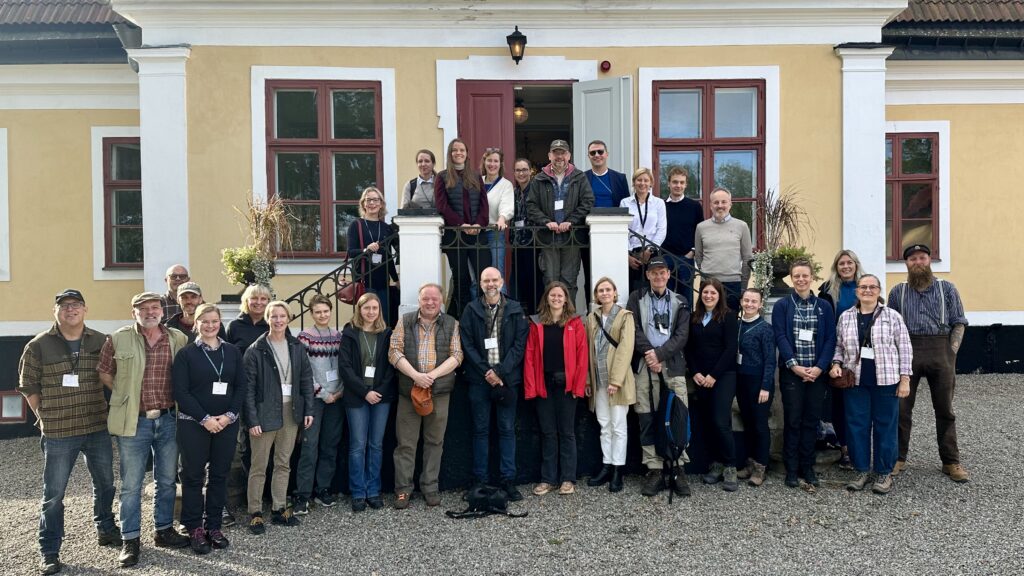
The 17–19 September 2025, the fourth Forest Academy for EU Decision Makers took place in Sweden. Hosted by Sweden’s Minister for Rural Affairs Peter Kullgren and joined by Finland’s Minister of Agriculture and Forestry Sari Essayah, the event brought together more than 30 high-level participants, including representatives from the European Commission, the European Parliament, scientists, industry and forest related organisations.
The Forest Academy for EU Decision Makers, is a joint initiative by Finland and Sweden, is and designed as a forum for dialogue on the role of forests and the forest-based value chain in advancing a sustainable, circular bioeconomy. Combining structured seminar sessions with field excursions and informal discussions, the Academy provides a platform where decision makers meet practitioners and researchers. This format ensured that the event was not only informative but also participatory, allowing diverse perspectives to be heard.
This year’s programme addressed central themes for Europe’s future: the concept of bioeconomy and the upcoming EU bioeconomy strategy, national policy developments, and innovations in the Swedish and Finnish forest sectors. Speakers included representatives from the European Commission such as Emmanuelle Maire (DG ENV) and Johannes Weber (DG RTD), as well as leading researchers and industry leaders like Antti Asikainen (Natural Resources Institute Finland), Eva Malmström Jonsson (KTH), and Niklas von Weymarn (Metsä Spring).
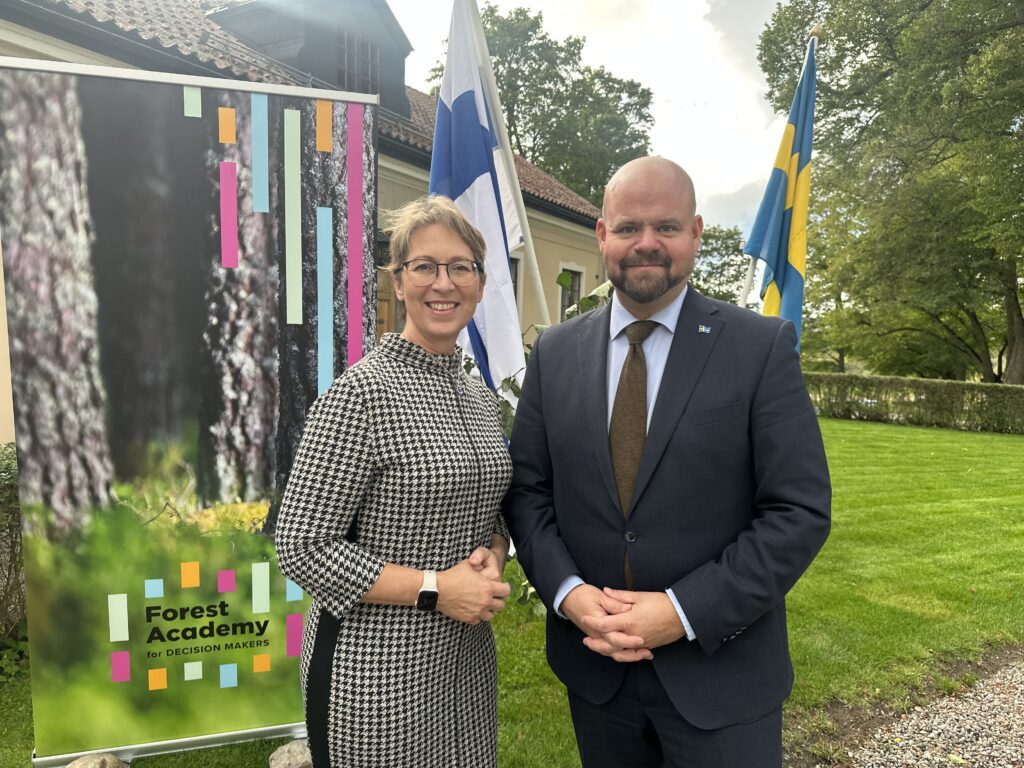
In his opening speech, Sweden’s Minister for Rural Affairs Peter Kullgren emphasized the purpose of the Academy.
“Most importantly, the Forest Academy is an opportunity for dialogue and discussion – when we meet and share knowledge and perspectives, we can make real advancements. The forest-based bioeconomy is central for reaching climate targets, it contributes to jobs, enables access to raw materials, and rural development. For Sweden it is only natural, as the government does, to look to forests, forestry, and biobased innovations to find the solutions we need to move forward”, said Minister Peter Kullgren.
Also Sari Essayah, Finland’s Minister of Agriculture and Forestry, stressed the importance of the development of the forest-based bioeconomy in the EU, already being an important part of Finland’s economy.
“Maybe the most valuable goal for the new bioeconomy strategy are the actions to improve competitiveness of the EU bioeconomy to conquer fossil-based products at the global markets. Towards this goal, we need to make sure not to overregulate the EU bioeconomy. There is pressure towards bioeconomy from many political sectors and therefore we need to remember what really matters”, said Minister Sari Essayah.
The pillars of the EU bioeconomy strategy
As the European Commission prepares a new bioeconomy strategy, the Academy offered a timely setting for dialogue and exchange. It not only informed participants about the outlines of the upcoming strategy but also fostered collaboration, networking, and a shared understanding of the forest-based bioeconomy’s role in strengthening the EU’s global position.
Paulina Dejmek Hack (Head of Cabinet of Commissioner Jessica Roswall, participating remotely) outlined the background for the new EU bioeconomy strategy, underlining its key pillars: focusing on innovation, scaling up marketable solutions, enhancing demand, simplifying the single market, securing biomass supply, and addressing the global dimension.
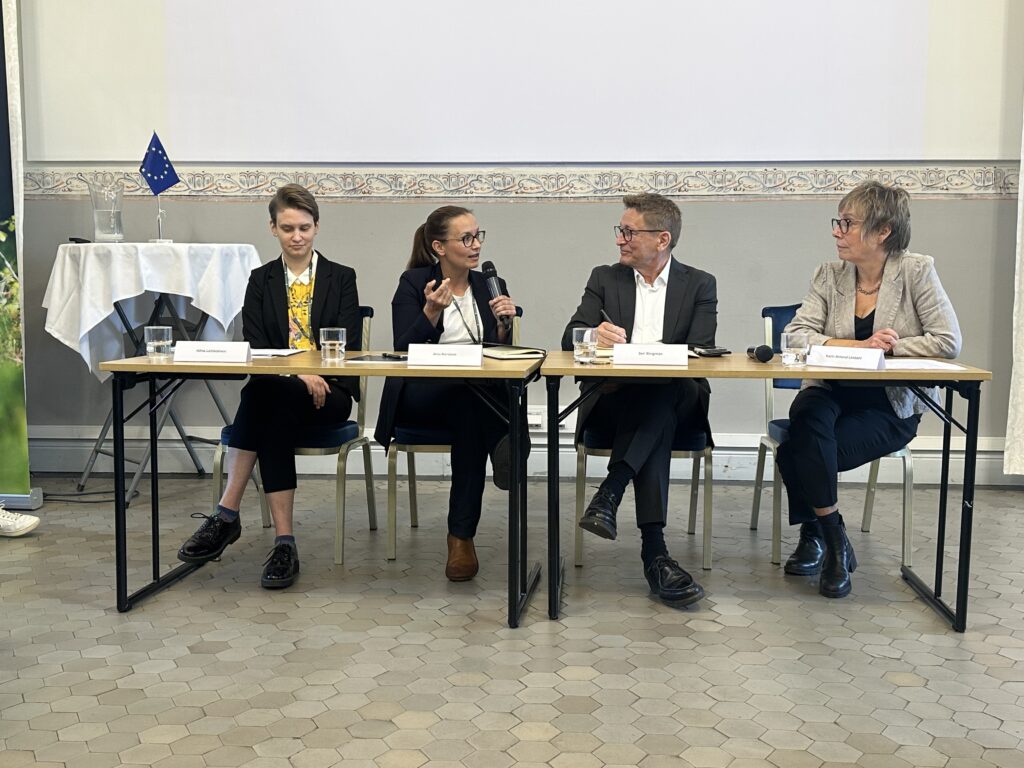
One central part of the Forest Academy was the high-level panelists discussing resource-efficient, circular and sustainable use of biobased resources from forests. The discussions then continued in smaller groups to maximise the exchange of ideas.
Field visits – from policy to practice
On the second of the three academy days, site visits highlighted how policies translate into practice. Participants saw first-hand how forest management, innovation, and sustainability interlink in Sweden’s forest sector when visiting a newly regenerated forest area, watching ongoing forest operations and talking to rural entrepreneurs.
At the final visit, at Virå Bruk, participants experienced how forestry is combined with hunting, visitor activities, and renewable energy production on a historic estate. The visit highlighted multiple land-use objectives, from active forest management to tourism, game management, and nature-based experiences.

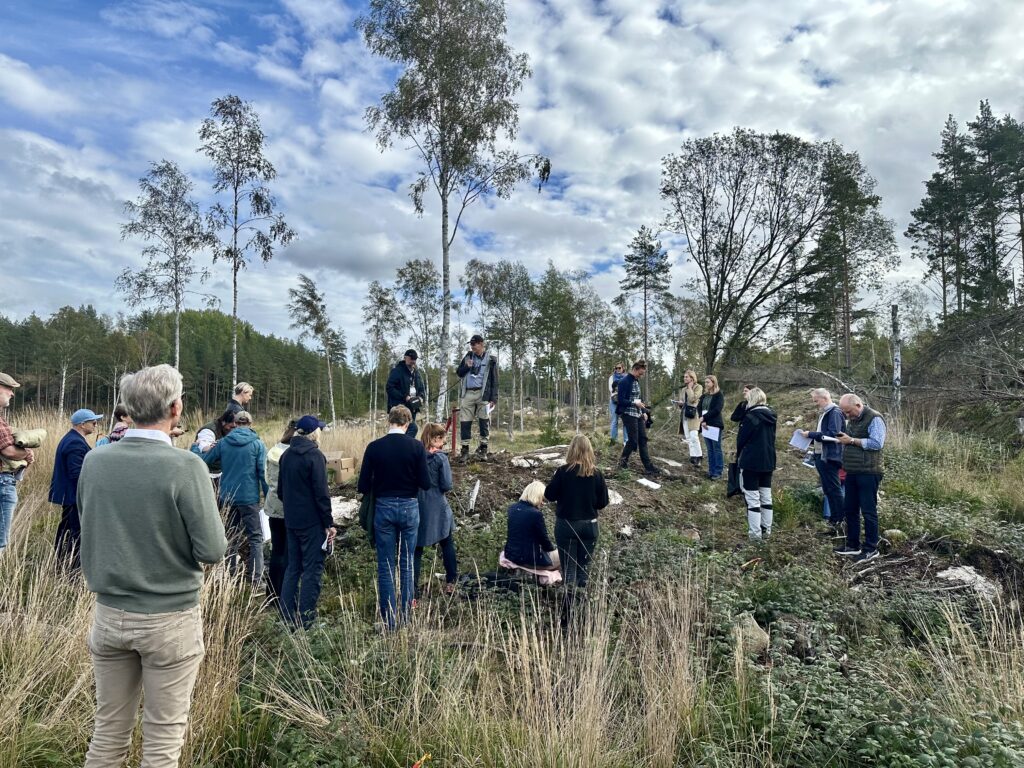
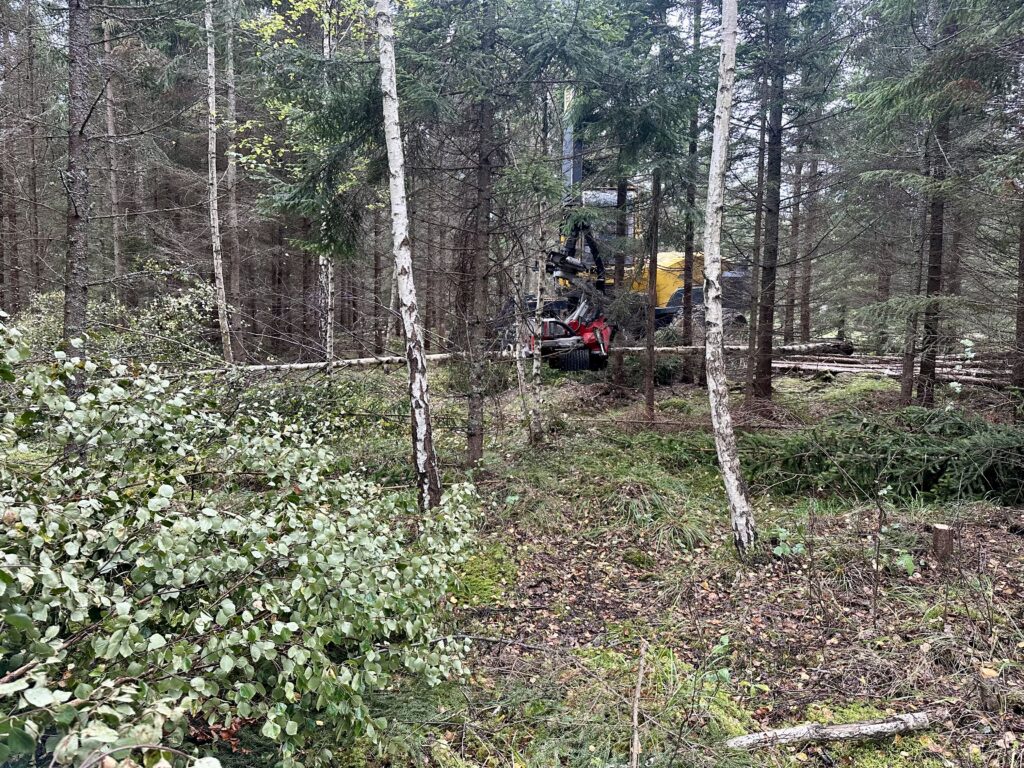
A newly regenerated forest site and a harvester performing commercial thinning at Sjösa Estate, in the county of Södermanland.


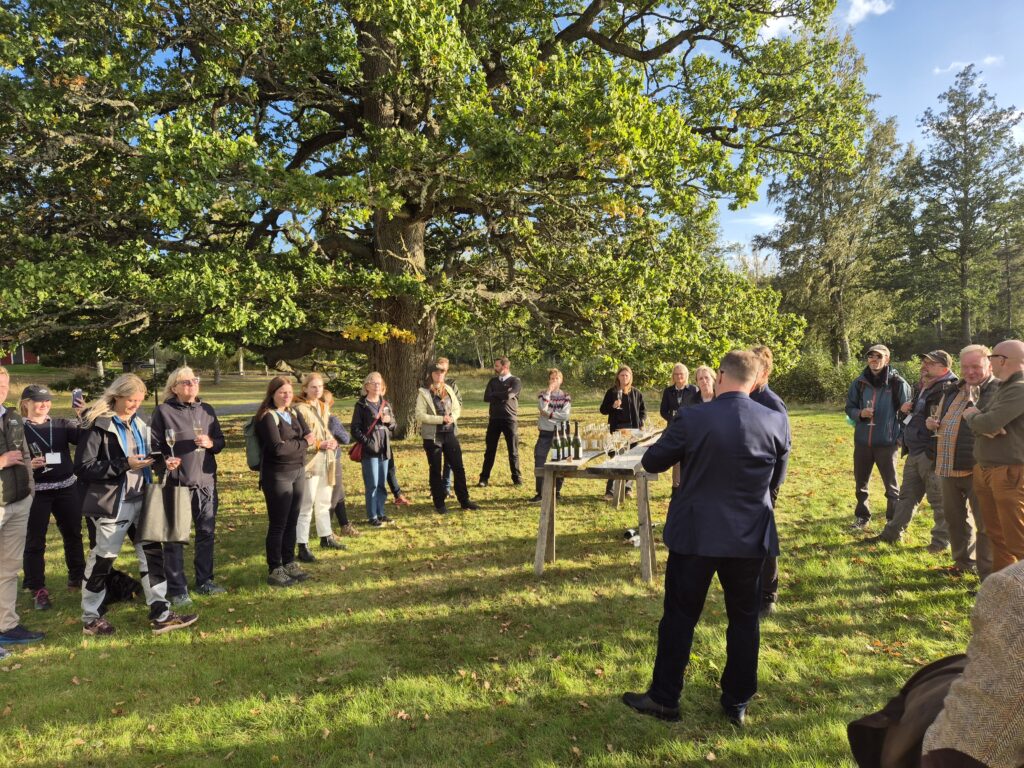
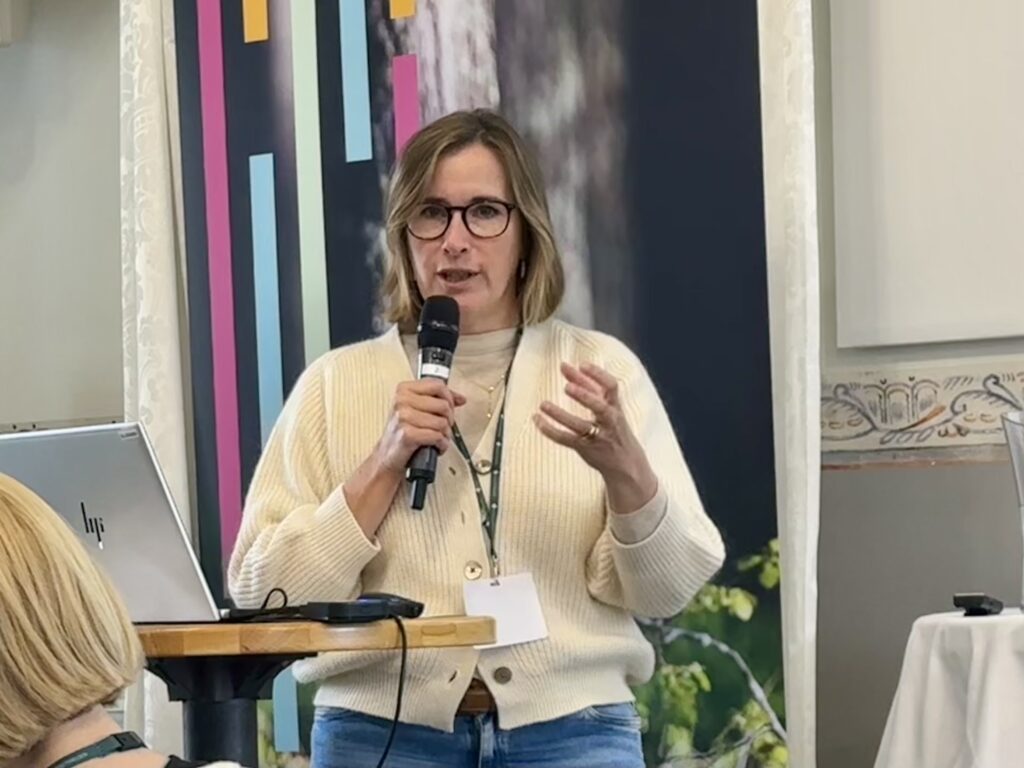
Owners Caesar Åfors and Rikard Åfors informed the participants about Virå Bruk and how forestry is combined with hunting, visitor activities, and renewable energy production. Talks were held also in open air during the days. At the last picture Policy analyst Markus Lier, EC DG AGRI, shares his reflections of the day.
A highly appreciated event – building trust
The Forest Academy 2025 once again demonstrated the value of bringing decision makers, experts, and practitioners together to learn from one another – bridging perspectives and identifying pathways towards a competitive, sustainable, and climate-neutral Europe.
Emmanuelle Maire, Head of Unit, DG ENV, European Commission, summarized the Forest Academy before participants returned home with new contacts and insights:
“The 4th Forest Academy was a success! Many opportunities to discuss the forthcoming EU bioeconomy strategy with researchers, practitioners and policymakers. A great opportunity to build trust among participants, said Emmanuelle Maire.”
Delegates’ takeaways
Finally some voices from delegates, where they share their key takeaways from the Academy as well as what they wish the participants bring home.
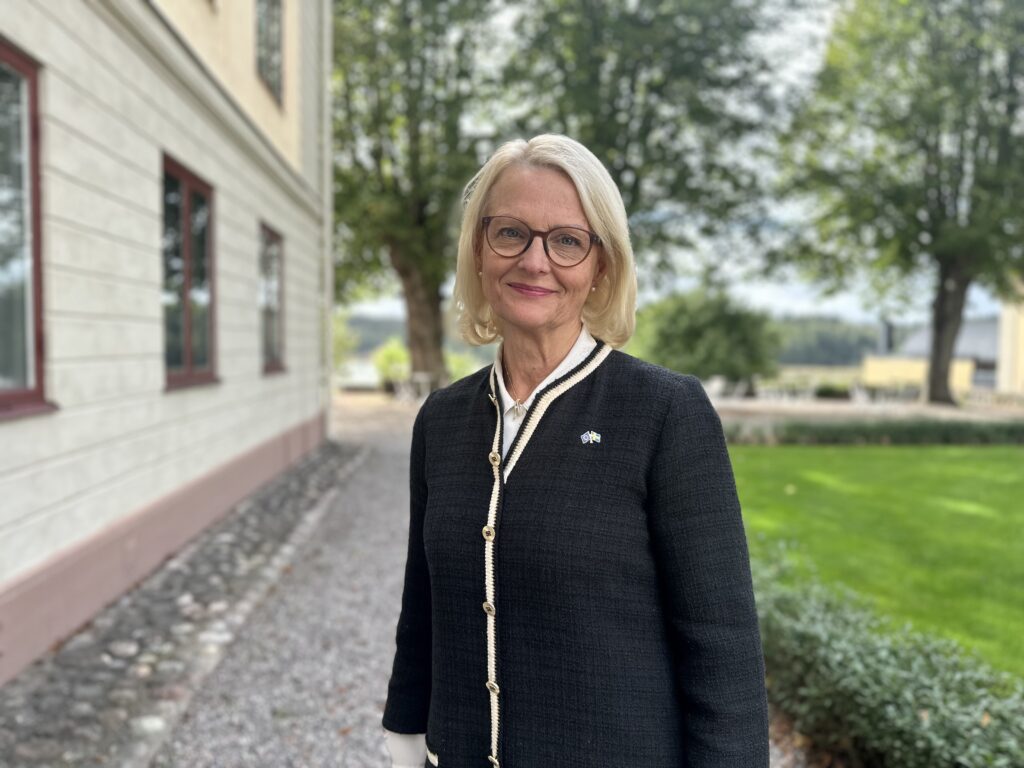
Heléne Fritzon, Member of the European Parliament:
“Thank you for very interesting days! I bring with me a lot of new knowledge about sustainable forestry, about the bioeconomy, and the interaction between forest, people, companies and science. I hope that my other colleagues, the participants on the Forest Academy, take with them the value of cooperation and innovation and all the good examples we have seen during these days.“

Alina Lehikoinen, Policy Officer, CEPF:
“There is a lot of potential and a lot of political will and innovation. All parts of the sector want to participate in building something, like building this sustainable bioeconomy and make a good foundation with the bioeconomy strategy. What I hope for the others to take with them is the comprehensive approach with the inclusion of the primary producers in this value chain.“
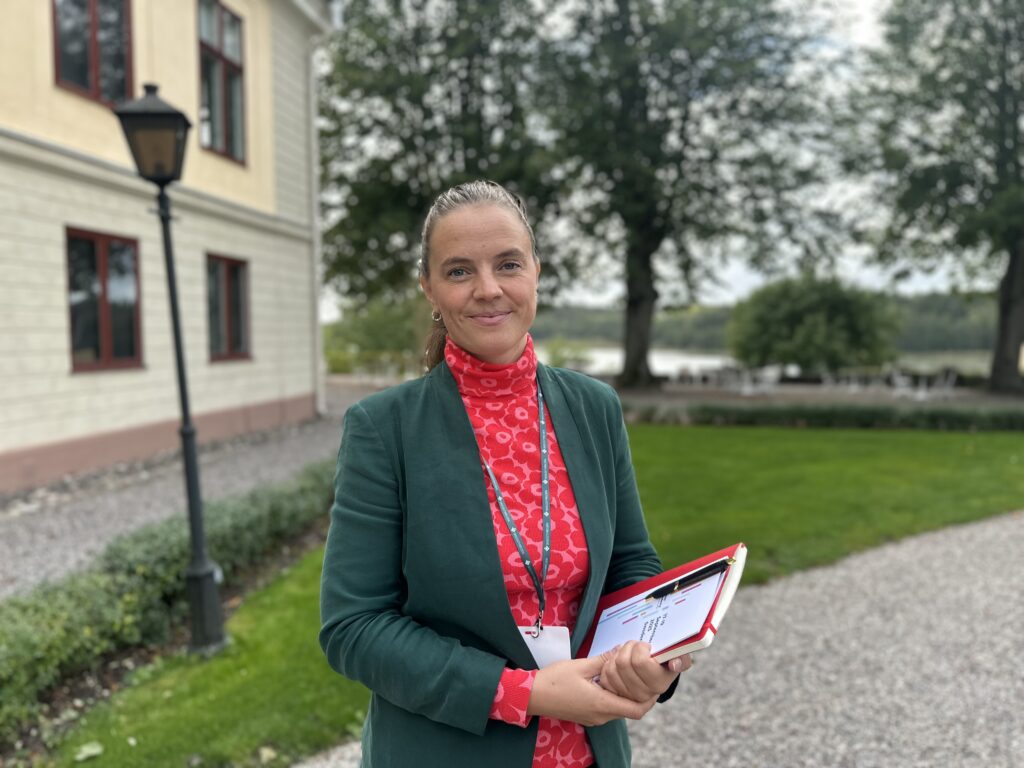
Frida Sund Falkevik, Policy Officer/Seconded National Expert, DG CLIMA, European Commission:
“I want to reemphasize the importance of time perspective when it comes to forestry. It is not just a family business; it is also generational. We’re not taking investment decisions with the time perspective of 5─10 years, but rather of 50─100 years. The second thing is also to think about the bioeconomy as a value chain, and when we think about how to approach it and to support it, we cannot only think about the foresters, industry and innovation in silo. These are links of a chain that needs to sit together. European policy can be used to create a level playing field on the internal market and also support where it all begins, and potentially ends, which is in the forest.“
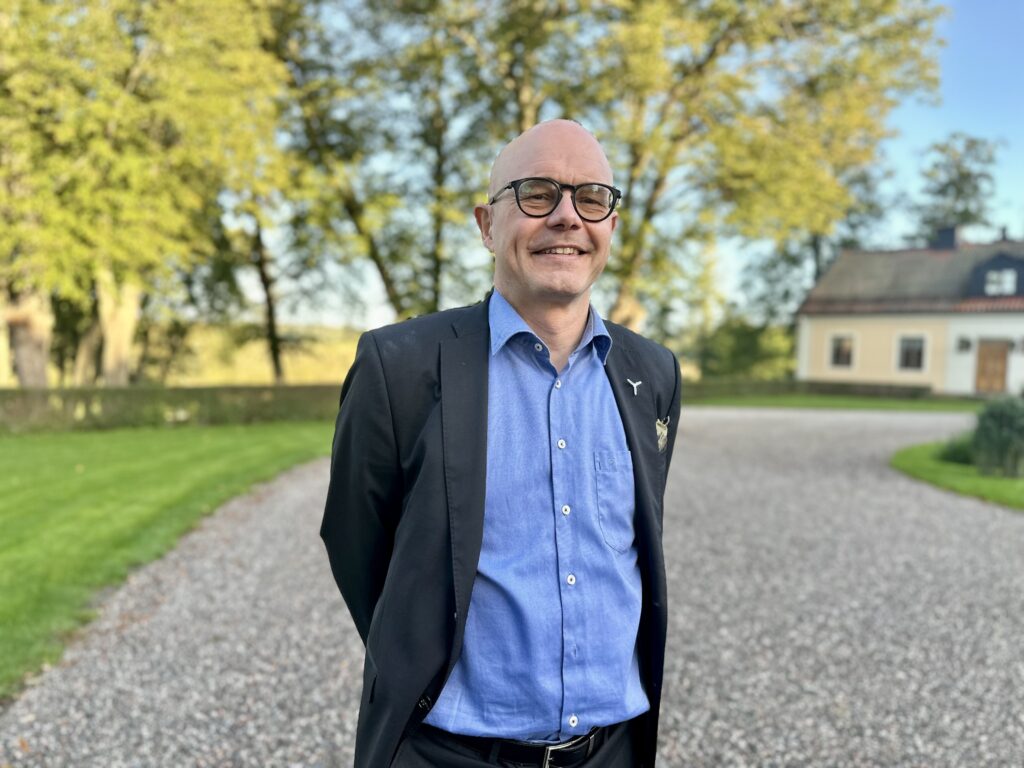
Erno Järvinen, Head of Forest and Bioeconomy Unit, Ministry of Agriculture and Forestry of Finland:
“I’m sure that the participants have received a very good overview of the forest-based bioeconomy, about the possibilities, realities and also challenges. Of course, I have received new contacts which is a very important part of this platform. You learn to know new people and get new contacts. That is important also in my daily activities in the Ministry of Agriculture and Forestry in Finland.”
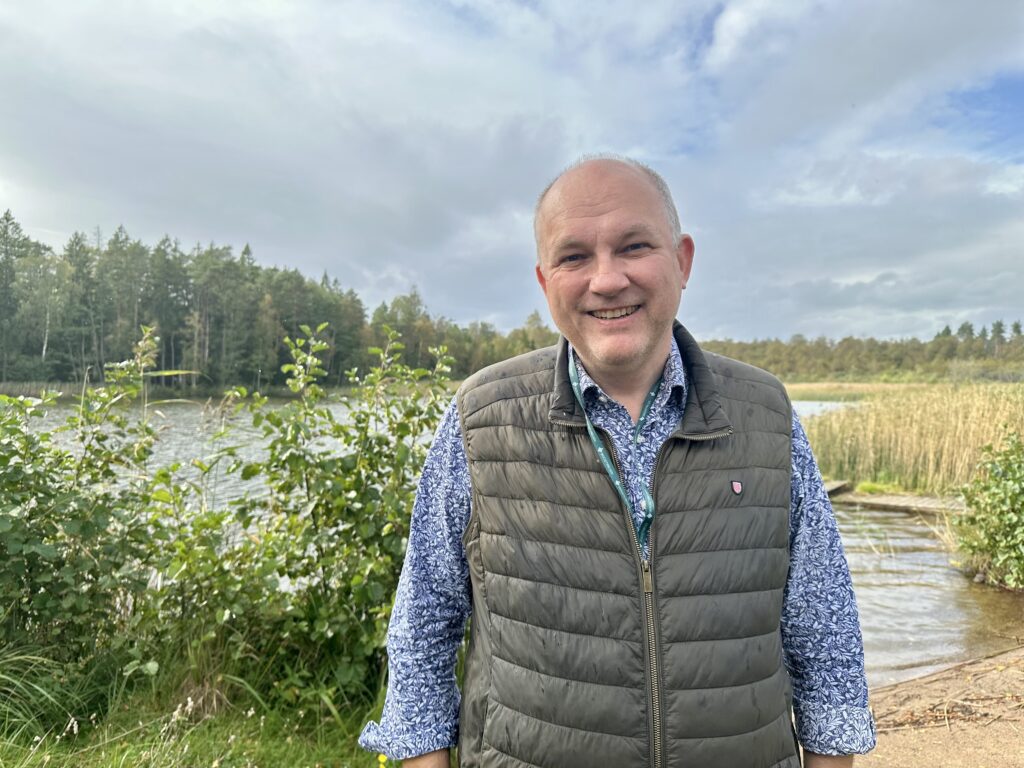
Lennart Nilsson, President of Cogeca:
“I see the question about the bioeconomy strategy as a great opportunity for forest owners and for farmers – and for the cooperatives in this sector, where we can see a lot of potential to produce materials, fuels, food and also widen the possibilities for the rule areas to get new incomes as well as getting more understanding for old incomes. I hope the participants take impression of the way we do the forestry work here in Sweden where we combine high production, high productivity with caretaking of the nature.”
The Swedish Forest Agency was the organizer of the Forest Academy 2025, supported by The Finnish Forest Association with a grant from Marjatta ja Eino Kollin Säätiö.
Kirjoita kommentti